

Precision alloys are metallic materials with specialized physical properties (such as magnetic, electrical, and thermal properties). The vast majority of precision alloys are based on ferrous metals, with only a few based on non-ferrous metals. These commonly include magnetic alloys, elastic alloys, expansion alloys, thermo-bimetallics, electrical alloys, hydrogen storage alloys, shape memory alloys, and magnetostrictive alloys.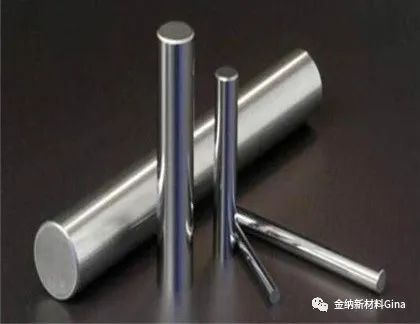
With the continuous development of the electronics industry, the requirements for materials are becoming increasingly stringent. Precision alloys, with their unique physical properties, have gradually gained favor with major electronics manufacturers and become an indispensable jewel in the electronics industry.
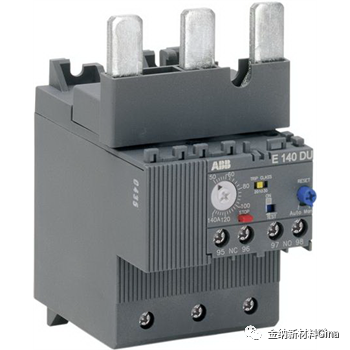
An electronic relay is an automatic, remote control element with relay characteristics used to connect and disconnect or switch circuits. Its primary functions include expanding control range, amplifying sensitivity, and enabling remote control and monitoring of signals.
It is widely used in electronic control systems for military equipment, communications, automobiles, industrial control, and household appliances. It is an essential component in complete circuit control systems and has become a pillar of today's electronic information products.
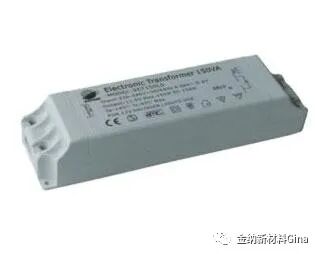
With the development of information technology and digitalization of electronic products in the 21st century, chip-type and miniaturized electronic transformers will gradually replace traditional electronic transformers. Market demand has driven the development of electronic transformers towards light, thin and small.
There are thousands of electronic transformer companies in my country, as well as numerous companies producing supporting parts, processing and production equipment, and testing equipment, all of which are strong competitors in the international electronic transformer market.
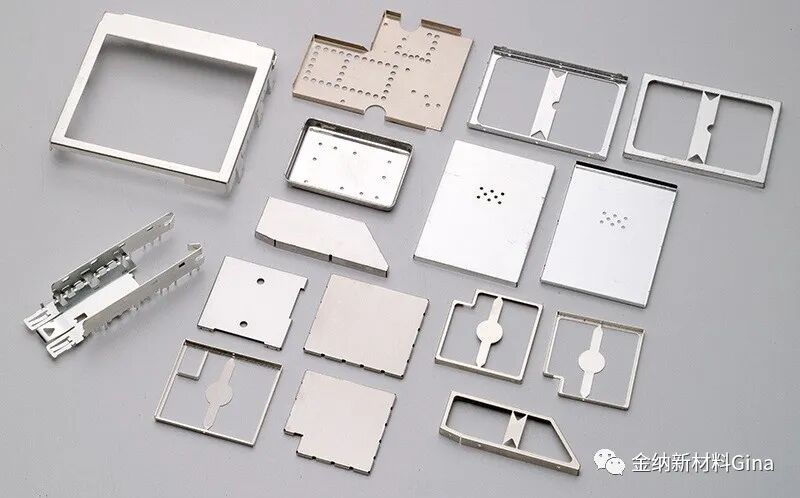
A shield is an alloy metal cover that isolates on-board components and is used to shield various electromagnetic devices, minimizing crosstalk and sensitivity without affecting system speed.
Shields include traditional two-piece metal, single-piece, EZ Peel, and new composite products. Composite products consist of a stamped metal frame and molded conductive rubber. They are primarily used in mobile terminals, PCs, televisions, and automobiles.
1J50:
Applications:
Mainly used in transformer cores, high-efficiency motors, shielding, and specialized electronic devices such as low-frequency power sensors, chokes, relay components, solenoids, and oscillators.
1J79:
Applications
1J79 alloy is a Permalloy, a member of the iron-nickel soft magnetic alloy family. It features high magnetic permeability and low coercivity, making it widely used in electronic components characterized by high sensitivity, precise dimensions, compact size, low high-frequency losses, and excellent time and temperature stability. It is suitable for manufacturing high-frequency low-voltage transformers, leakage protection switch cores, common-mode inductor cores, and current transformer cores. 1J85:
Applications
The high-saturation magnetic induction soft magnetic 1J85 iron-nickel alloy, containing 79-81% nickel, boasts the highest initial and maximum permeabilities, as well as extremely low coercivity, and is highly sensitive to weak signals.
It is commonly used in DC relays, communication and electronic equipment transformers, choke core laminations, magnetic shielding devices, components, or control elements. It is also used in high-permeability yokes, sensitive relays, low-loss micromotors, low-power power transformers, pulse transformers, transistor switches, magnetic amplifiers and modulators, sensitive signal input and output transformers, magnetic sensors for aviation magnetic heading instruments, magnetic sensors in magnetic measurement equipment, rotors and stators in precision meters, and magnetic shielding components.
4J29:
Applications
4J29 has a linear expansion coefficient similar to that of hard glass within a certain temperature range, making it suitable for matching sealing with hard glass in the vacuum industry.
4J36:
Applications
It is primarily used in environments requiring an extremely low expansion coefficient. Typical applications include the production, storage, and transportation of liquefied gas; measuring and control instruments operating below 200°C; screw connector bushings between metals and other materials; bimetallic and temperature-controlled bimetallic components; and membrane frames. Satellite and missile electronic control unit frames operating below -200°C; and auxiliary electron tubes in electromagnetic lenses of laser control devices.
