Monel® 401 (UNS N04401, W.Nr 2.0842) is a nickel-copper alloy emphasizing precision electromechanical properties and broad-spectrum corrosion resistance. Its core highlights are an extremely low temperature coefficient of resistance and good ductility. Strength can be increased through cold working. It is suitable for applications requiring both precision and corrosion resistance, such as electrical components and marine equipment. The following is a detailed description:
I. Precise Chemical Composition
This alloy uses nickel and copper as its core, with strictly controlled impurity content to ensure stable electromechanical properties. The specific composition range is as follows:
- Core elements: Copper (Cu) balance, Nickel + Cobalt (Ni + Co) 43.0%-45.0%. These two elements form a solid solution matrix, which is key to balancing corrosion resistance and electrical properties;
- Impurities and Limiting Elements: Manganese (Mn) 0.6-1.4%, Iron (Fe) ≤0.5%, Cobalt (Co) ≤0.5%, Carbon (C) ≤0.05%, Silicon (Si) ≤0.25%, Sulfur (S) ≤0.02%;
- Characteristic Correlation: Low impurity ratio avoids grain boundary defects. The alloy exhibits slight magnetism at room temperature and below in the annealed state, but is non-magnetic above room temperature. This characteristic is closely related to the purity of the composition.
II. Core Performance Advantages
(I) Mechanical Properties
Lower strength in the annealed state, significant cold working strengthening effect, and good toughness retention:
- Annealed State: Tensile strength can be cold-worked to a maximum of approximately 827 MPa. The annealed state has lower strength but excellent ductility, facilitating initial forming;
- Key Physical Parameters: Density 8.88 g/cm³, maximum service temperature approximately 538℃. Performance remains stable within this temperature range, and deformation failure is not easily observed.
(II) Corrosion Resistance and Core Electromechanical Properties
1. Corrosion Resistance: Adaptable to various harsh media. It can withstand corrosion from seawater, brackish water, hydrochloric acid, phosphoric acid, and other media. It resists pitting corrosion, crevice corrosion, and stress corrosion cracking in chloride environments, but should be avoided with strong oxidizing acids such as nitric acid. It is also resistant to chemical media such as ammonia and sulfur, making it suitable for corrosive environments such as marine and chemical plants.
2. Electromechanical Properties: Suitable for precision applications. It possesses an extremely low temperature coefficient of resistance and moderate potential resistivity. Temperature changes have minimal impact on resistance, ensuring the precision and stability of electrical components. It is an excellent material for manufacturing precision resistors and bimetallic contacts.
(III) Machining and Welding Performance
1. Excellent Machinability: It has excellent ductility and can be cut, stamped, and bent. It can be made into various forms such as foil, wire, and wire mesh. Wire mesh specifications can cover 1-350 mesh. The upper limit of cold working strength can reach 120 klb/sq inch. Plasticity can be restored after processing through annealing.
2. Strong Welding Adaptability: Compatible with tungsten inert gas welding (TIG) and resistance welding, as well as manual arc welding and submerged arc welding. The welded components exhibit stable performance and can be welded to dissimilar materials such as carbon steel and low-alloy steel.
III. Product Forms and Standards
(I) Common Product Forms
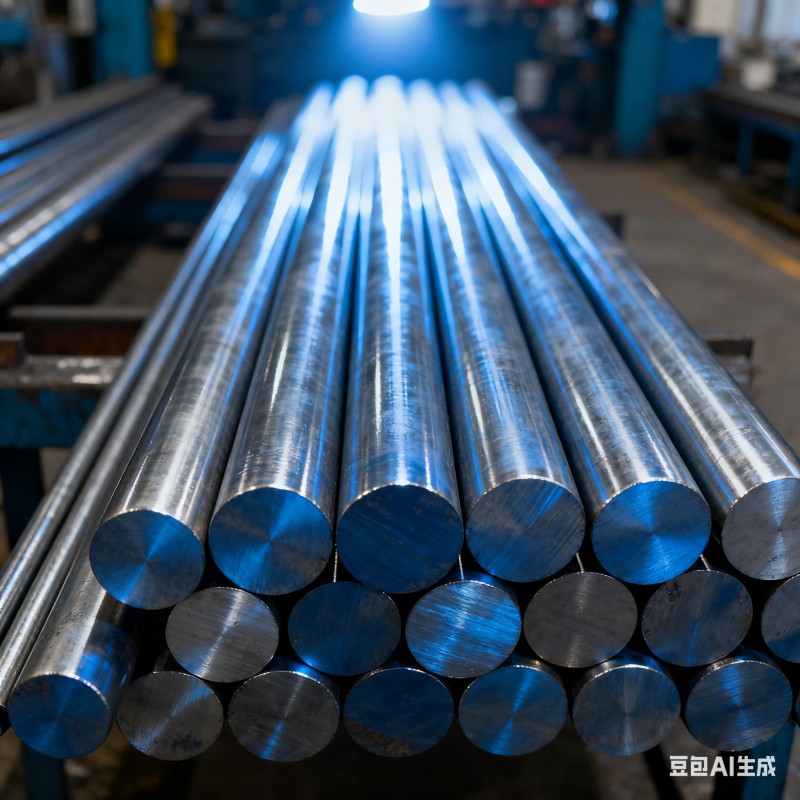
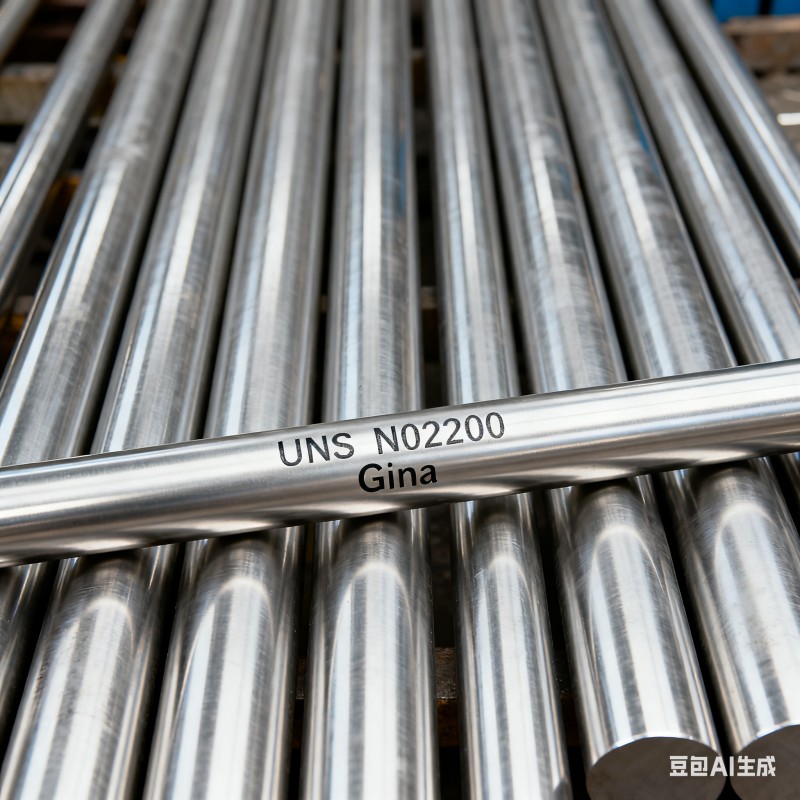
A variety of product forms are available to meet different processing needs: wire (mostly used for precision resistors and bimetallic contacts), foil/strip, rods, wire mesh, and fasteners such as bolts, nuts, and washers.
(II) Authoritative Standards
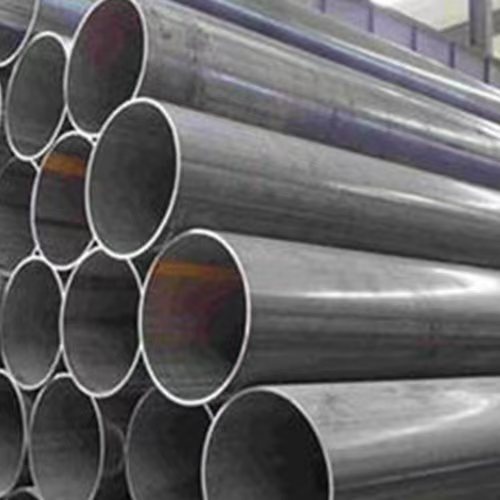
Following mainstream international standards, with mature quality control, including ASTM B127 (plate and strip), ASTM B164 (bars), ASTM B165 (seamless tubes), and German DIN 17751, etc., while also complying with relevant AMS aerospace material standards, ensuring compliance in various application scenarios.
IV. Typical Application Scenarios
Based on its dual advantages, it is widely used in several high-end fields:
- Electrical and Electronic Fields: Wire-wound precision resistors, bimetallic contacts, etc., relying on stable resistance characteristics to ensure component accuracy;
- Marine and Chemical Fields: Seawater desalination equipment, chemical heat exchangers, oil refining pipelines and valves, reactor shafts, etc., resisting corrosive media and extending equipment life;
- Other Fields: Commercial cooking equipment, water heater components, aerospace small corrosion-resistant electrical components, and various corrosion-resistant filter screens, fasteners, etc.