Monel® 400 (UNS N04400, W.Nr 2.4360/2.4361) is a classic nickel-copper solid solution alloy, characterized by its strong corrosion resistance, balanced mechanical properties, and wide machinability. Its strength can be increased through cold working without age hardening, making it widely suitable for harsh operating conditions in marine, chemical, and aerospace industries. It is a high-performance basic alloy in industry, combining reliability and economy.
I. Core Component Composition
This alloy uses nickel and copper as its base components, with strict control over impurity content to ensure stable performance. The specific composition range is as follows:
- Nickel (Ni): ≥63.0%, a core corrosion-resistant element that lays the foundation for the alloy's basic stability and low-temperature toughness;
- Copper (Cu): 28.0%-34.0%, synergistically enhances strength with nickel and optimizes resistance to corrosion from various media;
- Impurity elements: Iron (Fe) ≤2.5%, Manganese (Mn) ≤2.0%, Carbon (C) ≤0.3%, Silicon (Si) ≤0.5%, Sulfur (S) ≤0.024%. Low impurity content avoids grain coarsening and performance degradation.
- The corresponding domestic grade is MCu-28-1.5-1.8 (GB/T5235), with a chemical composition completely consistent with Monel 400.
II. Key Performance Characteristics
(I) Mechanical Properties
Basic properties at room temperature, significantly strengthened by cold working, and excellent low-temperature toughness:
- Basic properties (annealed state): Tensile strength 480-655 MPa, yield strength ≥170 MPa, elongation 35%-45%, hardness 65-85 HRB;
- Strengthening properties (spring-tempered state): Tensile strength can be increased to 1000-1240 MPa while maintaining good toughness;
- Low-temperature performance: No risk of brittle fracture at -184℃ to -196℃, ductility is basically the same as at room temperature;
- Basic physical parameters: Density 8.8 g/cm³, elastic modulus 179 GPa, rigidity modulus 65.5 GPa.
(II) Corrosion Resistance and Thermal Properties
1. Corrosion Resistance: As one of the few alloys capable of withstanding hydrofluoric acid corrosion, it exhibits excellent performance in seawater, salt spray, sulfuric acid (concentration below 85%), hydrochloric acid, and high-temperature alkaline solutions, with a corrosion rate below 0.025 mm/a, and is not prone to stress corrosion cracking or pitting.
2. Temperature Adaptability: With a melting point of 1300-1390℃, it can operate stably in a wide temperature range of -300°F (-184℃) to 500°F (260℃). Its coefficient of thermal expansion is 15.7 µm/m-°C in the 20℃ to 300℃ range, and its thermal conductivity is 21.8 W/m-K. It also exhibits good dimensional stability under temperature fluctuations.
3. Solid Solution Strengthening Effect: Stress can be eliminated through solid solution treatment (holding at 1000-1150℃ for 1-2 hours followed by water quenching), further improving corrosion resistance and microstructure uniformity. (III) Machining Performance
1. Hot and Cold Working: Possesses good cold bending, stamping, and forging performance. During hot working, the use of water coolant and the allowance for shrinkage can ensure dimensional accuracy. Cold working allowance can be flexibly adjusted according to strength requirements.
2. Welding Performance: Compatible with various welding methods such as TIG welding, MIG welding, and plasma arc welding. Nickel-based filler materials such as ERNiCu-7 are recommended. Post-weld heat treatment can eliminate heat-affected zone hardening, ensuring the weld's properties are consistent with the base material.
3. Machining and Surface Treatment: Good machinability, but due to high hardness, attention should be paid to tool wear. Surface treatments such as anodizing and pickling passivation can further improve corrosion resistance.
4. Heat Treatment Process: Annealing temperature 850-1000℃, holding for 1-3 hours followed by air or water cooling can improve plasticity and machinability. Low-temperature tempering at 260-315℃ can be performed when residual stress exists.
III. Product Forms and Standards
(I) Common Forms and Specifications
Can be processed into various forms to adapt to different assembly needs. Typical specifications are as follows:
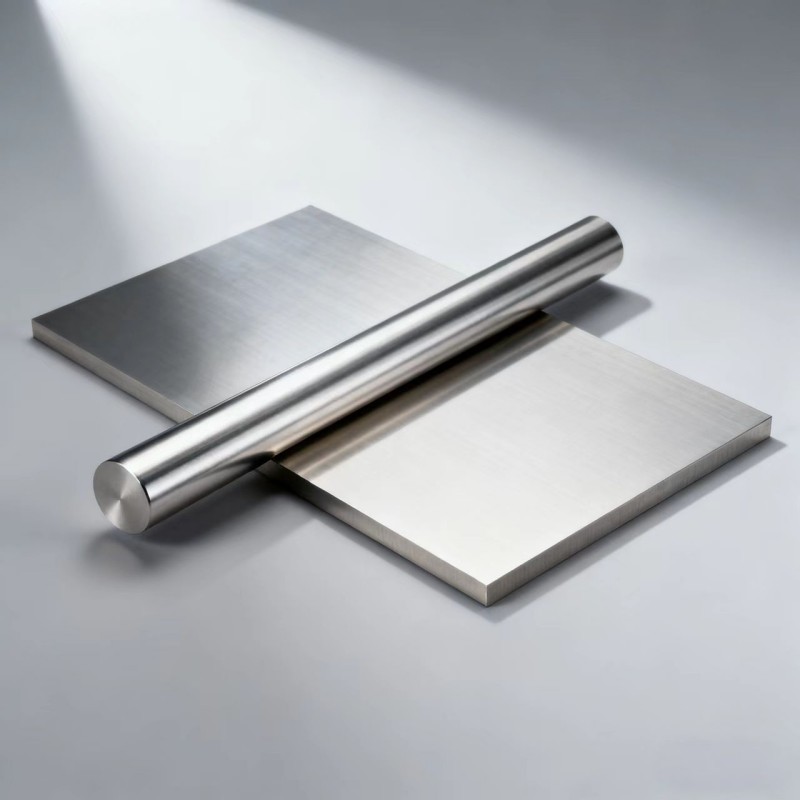
- Plate/Strip: Thickness 0.1mm-50mm, conforming to ASTM B127 standard;
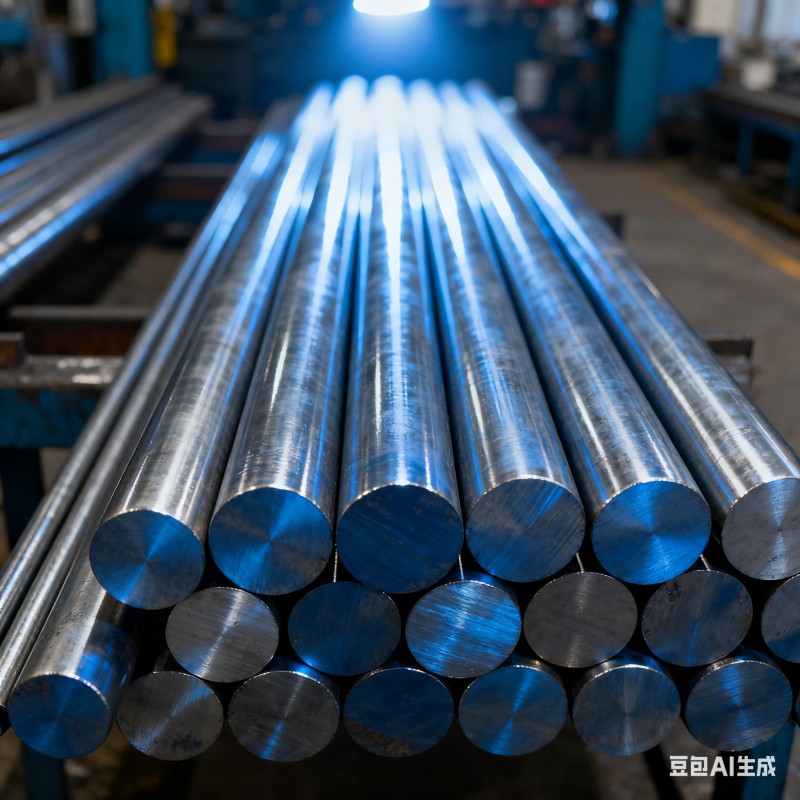
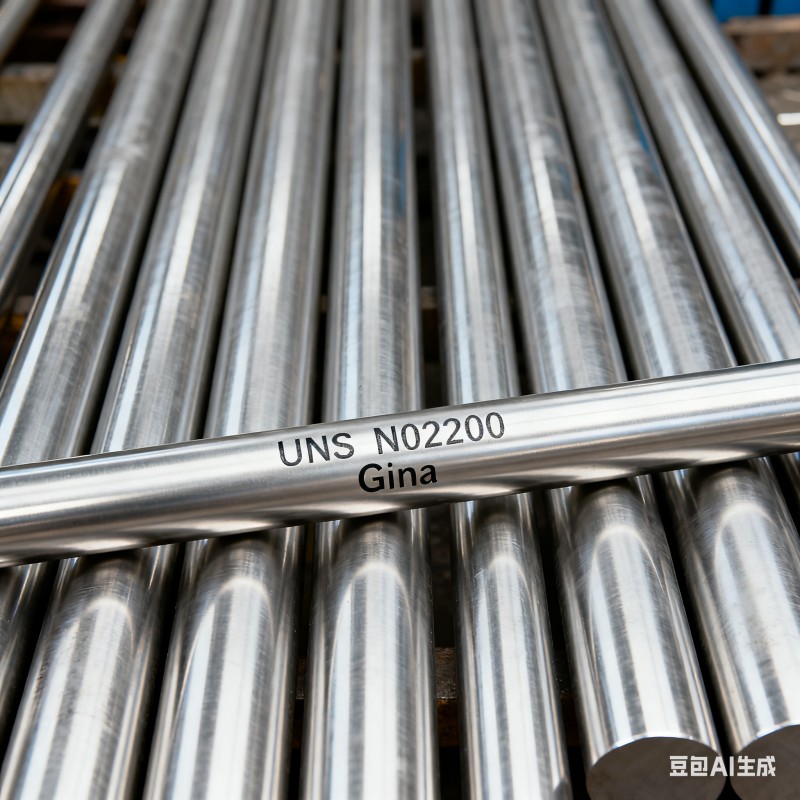
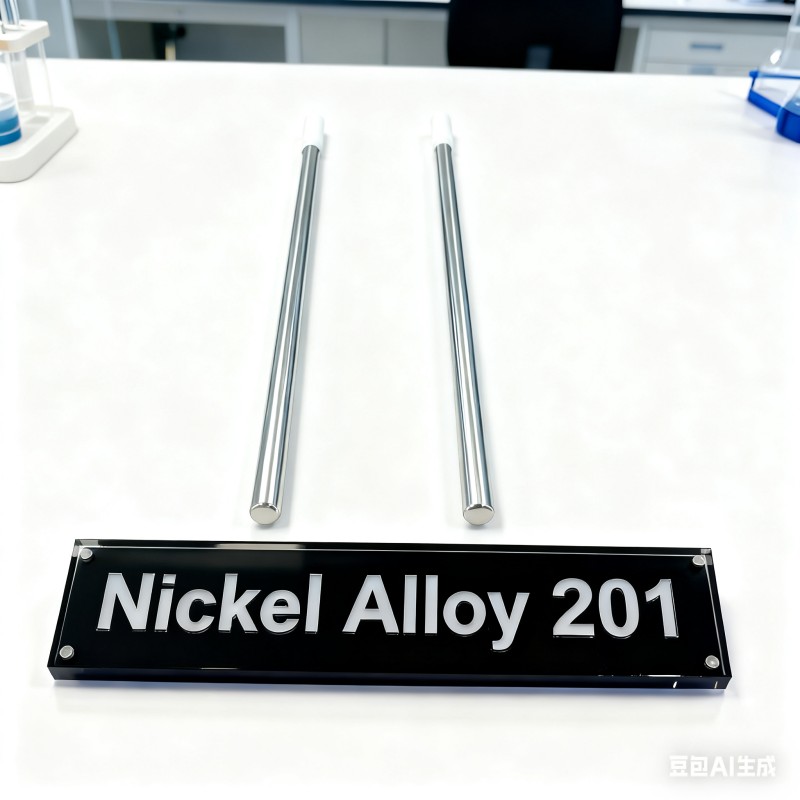
- Bar/Wire: Diameter 0.5mm-100mm, conforming to ASTM B164 standard;
- Pipe/Fit: Outer diameter 6mm-219mm, wall thickness 1mm-8mm, conforming to ASTM B165 standard;
- Forgings: Processed according to customized requirements, conforming to ASTM B564 standard.
IV. Typical Application Scenarios
Based on its multi-dimensional performance advantages, it achieves large-scale application in high-end industrial fields:
- Marine Engineering: Ship propellers, seawater pipelines, offshore platform pumps, valves, and fasteners, suitable for long-term seawater immersion environments;
- Petrochemical Industry: Reactor linings, acid and alkali pipelines, storage tanks, and pump shafts, resistant to corrosion from various corrosive media;
- Aerospace: Non-sparking components and high-temperature fasteners, meeting the dual requirements of low-temperature toughness and strength;
- Other Fields: Hydrofluoric acid production equipment, nuclear industry cooling system components, precision instrument structural parts, etc.