Monel® alloy R405 is an optimized and improved nickel-copper based corrosion-resistant alloy. Its core advantages lie in its excellent machinability, stable mechanical properties, and outstanding corrosion resistance. It is widely applicable to the demanding working conditions in marine, chemical, and aerospace industries, making it a high-performance material that balances processing efficiency and structural reliability.
I. Core Component Composition
This alloy uses nickel and copper as its base components, with performance optimized through precise control of sulfur content. The specific composition range is as follows:
- Nickel (Ni): ≥63.0%, providing basic corrosion resistance and structural stability;
- Copper (Cu): 28.0%-34.0%, synergistically enhancing mechanical strength and resistance to media erosion with nickel;
- Sulfur (S): 0.025%-0.060%, a key functional element that improves machinability by forming sulfide inclusions;
- Impurity elements: Iron (Fe) ≤2.5%, Manganese (Mn) ≤2.0%, Silicon (Si) ≤0.5%, Carbon (C) ≤0.3%, all strictly controlled within low content ranges to avoid performance interference.
II. Key Performance Characteristics
(I) Mechanical Properties
The annealed alloy exhibits balanced and stable mechanical properties, combining high strength and high ductility:
- Tensile Strength: 550-690 MPa (minimum 550 MPa);
- Yield Strength: ≥240 MPa (actually up to 350 MPa at room temperature);
- Elongation: 35%-40% at room temperature (minimum 40%), increasing to 42%-45% at 200℃;
- Hardness: HB 150-200 or 65-85 HRB;
- Torsional Performance: Maximum torque capacity at room temperature is more than 30% higher than conventional alloys, suitable for complex load scenarios.
(II) Corrosion Resistance and Thermal Properties
1. Corrosion Resistance: Due to its high nickel-copper content, it exhibits excellent corrosion resistance in marine environments (seawater, salt spray) and chemical media (non-oxidizing acids, alkalis), and is not prone to stress corrosion cracking.
2. Temperature Adaptability:
- Low Temperature Environment: Maintains good toughness and ductility at -253℃, with no risk of brittle fracture;
- High Temperature Performance: Maintains stable strength and toughness below 300℃; creep rupture strength ≥170MPa after 1000 hours at 315℃; total creep at 1000 hours under 400℃/50MPa conditions is only 0.35%; the recommended upper limit for long-term use temperature is 480℃ (safety factor 1.5);
- Thermal Stability: Thermal conductivity changes slowly at high temperatures; low coefficient of thermal expansion avoids stress concentration and deformation caused by temperature fluctuations; grain growth rate at 600℃ is only 1/3 that of sulfur-free alloys.
(III) Machining Performance
1. Machinability: The 0.5-2μm sulfide particles formed by sulfur effectively reduce cutting resistance, significantly improving machinability compared to standard Monel 400 alloy, making it suitable for high-speed automatic lathe machining.
2. Forming and Welding: Possesses good cold and hot working properties, suitable for cold bending, stamping, and other forming operations (cold working amount recommended ≤30%, to avoid elongation loss exceeding 15%); supports GTAW and other welding methods, with welding heat input controlled at ≤1.2 kJ/mm.
3. Heat Treatment: Annealing temperature is 870-980℃, holding time calculated at 1.5 min/mm; heat treatment can refine grains and eliminate internal stress.
(IV) Microstructural Characteristics
Metallographic analysis reveals excellent microstructural stability, providing microscopic assurance for optimal performance:
- Grain size: ASTM 5-6 grade (15-25μm), uniformly distributed;
- Sulfide inclusions: 0.3%-0.5% by volume, uniformly dispersed, suppressing grain boundary migration and slip through pinning effect;
- Dislocation density: 1.2×10¹⁴ m⁻² at room temperature, decreasing to 8×10¹³ m⁻² at 400℃, dynamic equilibrium ensuring stable high-temperature performance.
III. Product Forms and Standards
(I) Common Forms and Specifications
It can be processed into various forms to adapt to different assembly needs. The core specifications are as follows:
- Sheet metal: Thickness 0.5mm-3mm;
- Thick plate: Thickness 1mm-50mm;
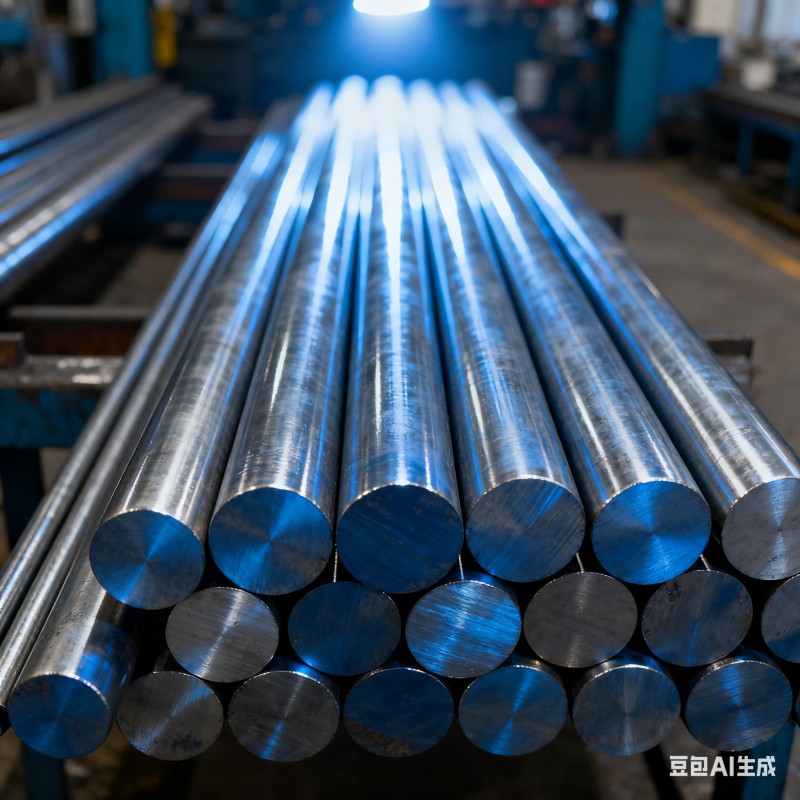
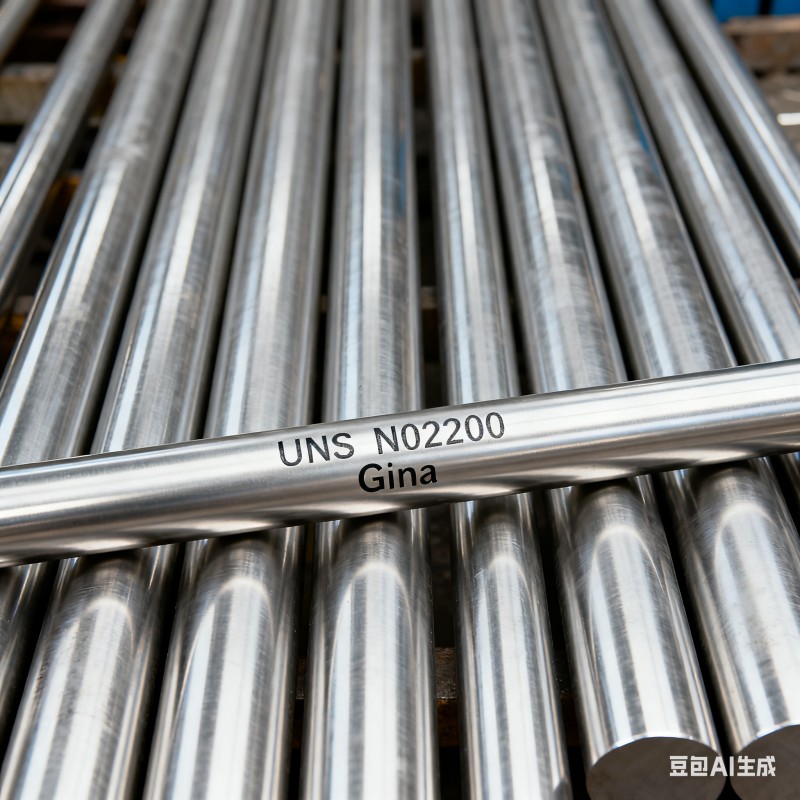
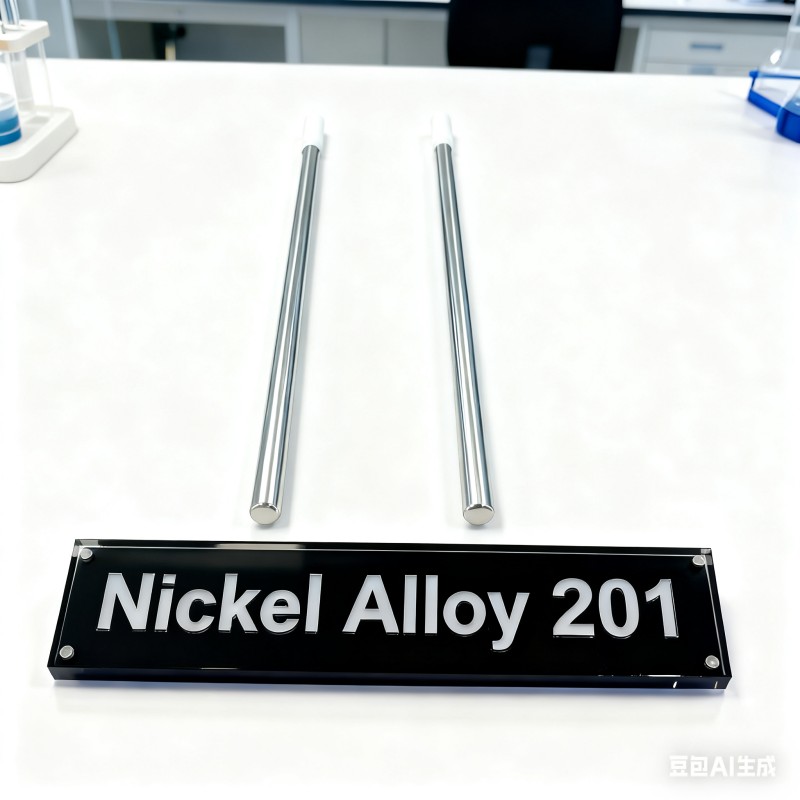
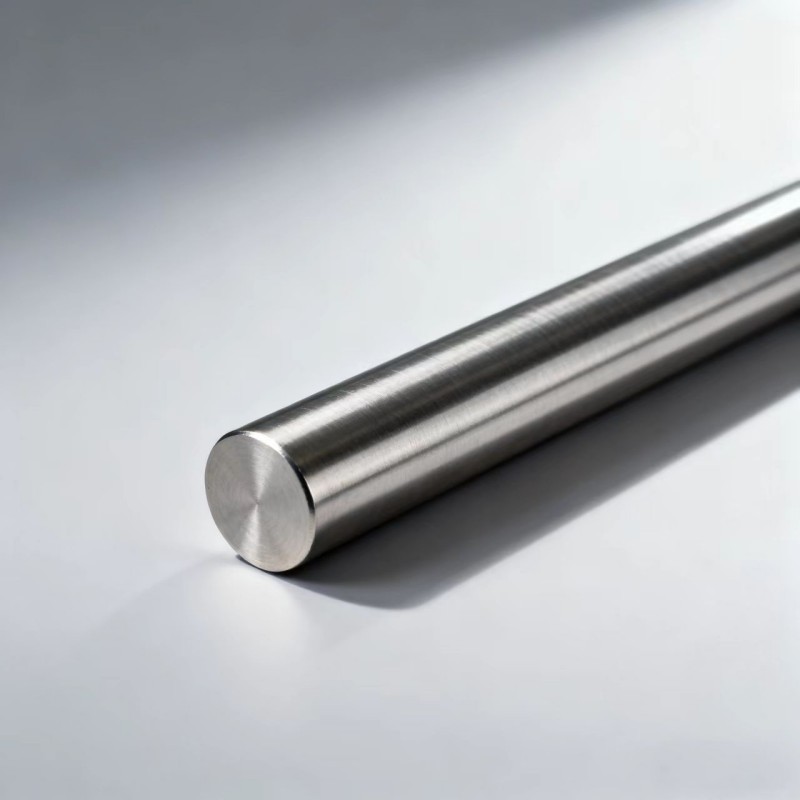
- Rod: Diameter 6mm-100mm;
- Pipe: Outer diameter 6mm-500mm;
- Pipe fittings: Outer diameter 6mm-300mm.
(II) Standards Applied
Complies with authoritative industry standards from multiple countries; the quality control system is mature and reliable:
- USA: ASTM B164, ASME SB-164, AMS 4674 (UNS N04404);
- Germany: DIN 17750 (2.4867);
- UK: BS 3072, BS 3073 (NA 12);
- Japan: JIS NW 4400;
- China: GB/T 12771, GB/T 12770.
IV. Typical Application Scenarios
Based on its multi-dimensional performance advantages, this alloy has achieved large-scale application in several high-end industrial fields:
- Marine Engineering: Ship propeller shafts, seawater pipelines, offshore platform fasteners (requiring elongation ≥30%);
- Petrochemical Industry: Cracking furnace pipe fittings (design life 100,000 hours, creep deformation <1%), pump shafts, valves, reactor linings;
- Aerospace: Aircraft landing gear components, rocket engine nozzles and combustion chamber components;
- Nuclear Power Industry: Nuclear reactor cooling system components, steam generator heat transfer tubes, high-temperature valves.