Monel® K500 (UNS N05500, W.Nr 2.4375) is a classic precipitation-hardening nickel-copper alloy. Building upon the excellent corrosion resistance of Monel 400, it achieves a perfect balance of high strength, high hardness, and corrosion resistance through the addition of aluminum and titanium and optimized heat treatment processes. It requires no complex machining; the dispersion strengthening phase precipitates through age hardening alone. Suitable for harsh operating conditions ranging from low to medium-high temperatures, and from corrosive media to high loads, it is a core material in high-end fields such as aerospace, petrochemicals, and marine engineering.
I. Core Component Composition
Based on nickel-copper alloy, performance stability is ensured through precise addition of strengthening elements and strict control of impurities. The specific composition range is as follows:
- Nickel (Ni): ≥63.0%, the core matrix element, laying the foundation for corrosion resistance and low-temperature toughness;
- Copper (Cu): 27.0%-33.0%, synergistically optimizes corrosion resistance and enhances the alloy's mechanical strength with nickel;
- Strengthening elements: Aluminum (Al) 2.3%-3.15%, Titanium (Ti) 0.35%-0.85%, forming Ni₃(Al, Ti) precipitates after aging, achieving a significant increase in strength;
- Impurity elements: Iron (Fe) ≤2.0%, Manganese (Mn) ≤1.5%, Carbon (C) ≤0.18%, Silicon (Si) ≤0.5%, Sulfur (S) ≤0.010%, low impurity content avoids grain boundary degradation and corrosion risks;
- The corresponding domestic grade is MCu-28-1.5-1.8 (precipitation-hardening type, GB/T 5235), with composition and performance fully matching international standards.
II. Key Performance Characteristics
(I) Mechanical Properties (Age-hardened state is the core service condition)
Balancing strength and toughness, further enhanced by cold working, performance far exceeds that of basic nickel-copper alloys:
- Core mechanical parameters: Tensile strength ≥1100MPa, Yield strength ≥860MPa, Elongation ≥15%, Hardness ≥300HB;
- Cold working strengthening effect: After 30%-50% cold working, tensile strength can be increased to 1300-1500MPa while maintaining good toughness;
- High-temperature mechanical stability: Tensile strength can still reach 650MPa at 650℃, and it can withstand dynamic loads for a long time below 750℃ without significant creep deformation;
- Basic physical parameters: Density 8.44g/cm³, Elastic modulus 200GPa, Rigidity modulus 75GPa, good compatibility with structural components.
(II) Corrosion Resistance and Thermal/Low-Temperature Performance
1. Comprehensive Upgrade in Corrosion Resistance: Inheriting the corrosion resistance of Monel 400 to seawater, salt spray, hydrofluoric acid, sulfuric acid below 85%, hydrochloric acid, and alkaline solutions, it further optimizes the resistance to stress corrosion cracking in hydrogen sulfide and chloride ion media, with a corrosion rate ≤0.015mm/a. It can operate stably for a long time in sulfur-containing formations in oil extraction and in highly corrosive marine environments;
2. Wide Temperature Range Adaptability: Melting point 1315-1350℃, operating temperature range covering -253℃ to 750℃:
- Low-Temperature Performance: No risk of brittle fracture at -135℃ to -253℃, maintaining good toughness and ductility, and is non-magnetic throughout;
- High-Temperature Stability: Stable microstructure below 700℃, no obvious grain coarsening, precipitated phases are not easily decomposed, and the performance degradation rate over long-term use is <5%;
3. Special environmental tolerance: It can withstand the erosion and cavitation of high-speed flowing media. In harsh conditions such as sandy seawater and chemical slurries, the surface wear rate is only 1/3 that of ordinary alloys.
(III) Processing and Heat Treatment Performance
1. Hot and Cold Working: Hot working temperature range 950-1150℃. Slow heating and uniform holding are required during processing to avoid elemental segregation. Cold working can be performed at room temperature. Suitable for stamping, bending, and stretching processes. Timely annealing after cold working (holding at 850-900℃ for 1-2 hours and then air cooling) can restore plasticity.
2. Welding Performance: Suitable for TIG, MIG, and plasma arc welding. ERNiCu-7 or ERNiCu-8 filler metal is recommended. Preheating to 150-200℃ is required before welding. Post-weld solution treatment (water quenching at 1050-1100℃) + aging treatment is necessary to ensure the weld's properties are consistent with the base material.
3. Heat Treatment Process (Core Strengthening Step):
- Solution Treatment: Hold at 1050-1100℃ for 1-2 hours, then water quench. The purpose is to dissolve and precipitate phases to obtain a homogeneous solid solution.
- Aging treatment: Hold at 450-550℃ for 4-8 hours, then air cool. This precipitates dispersed Ni₃(Al, Ti) phases, significantly improving strength and hardness.
4. Machining and surface treatment: Machining performance is superior to similar precipitation-hardening alloys, but due to its high hardness, cemented carbide tools are required. Corrosion resistance can be further improved through surface treatments such as pickling, passivation, and anodizing.
III. Product Forms and Standards
(I) Common Forms and Specifications
Can be processed into various forms to adapt to different assembly needs. Typical specifications are as follows:
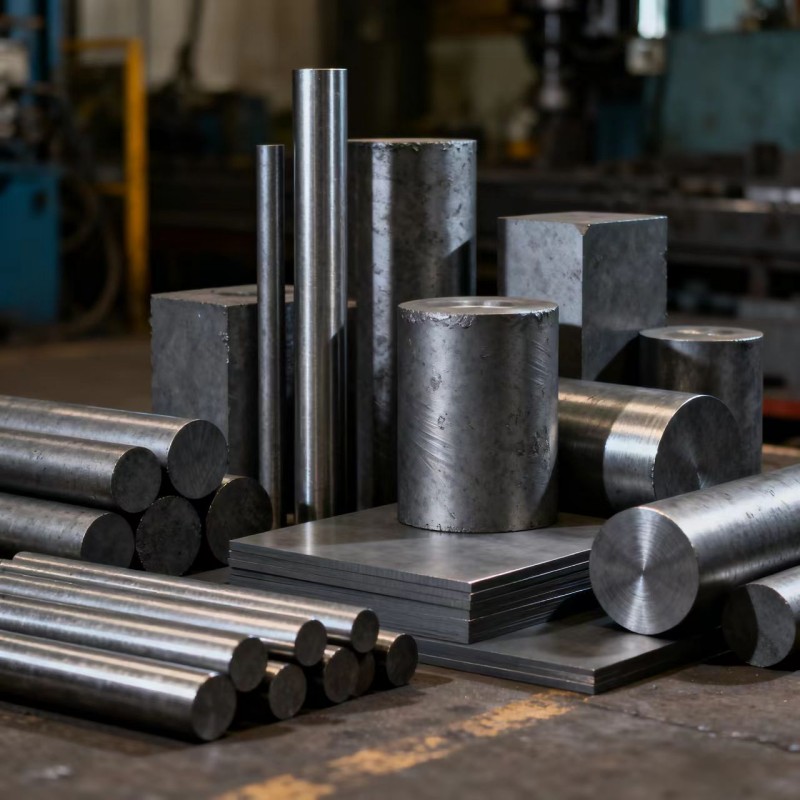
- Plate/Strip: Thickness 0.5mm-50mm, Width ≤1500mm (compliant with ASTM B127 standard);
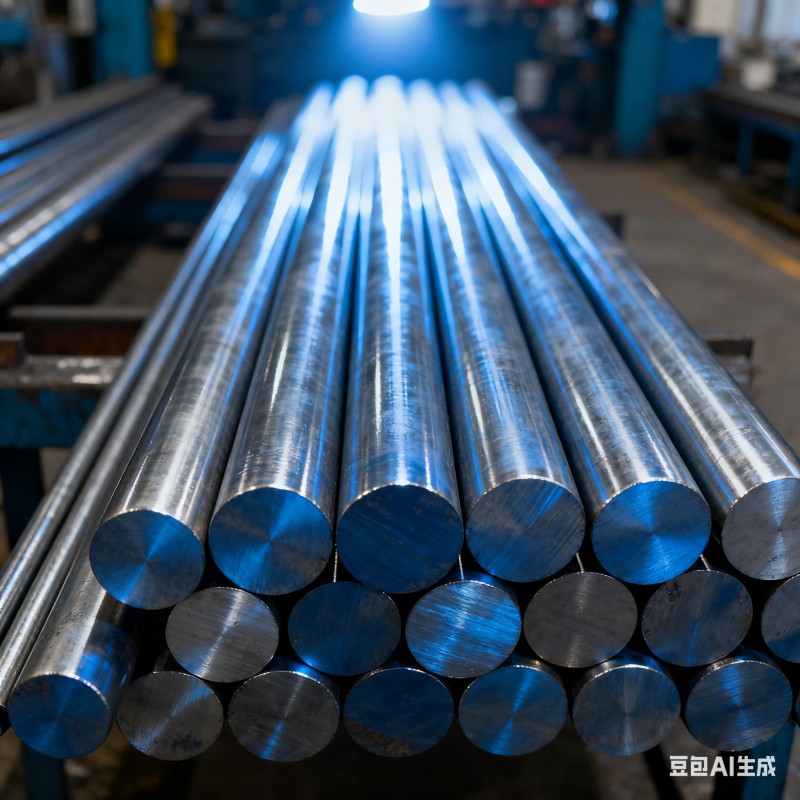
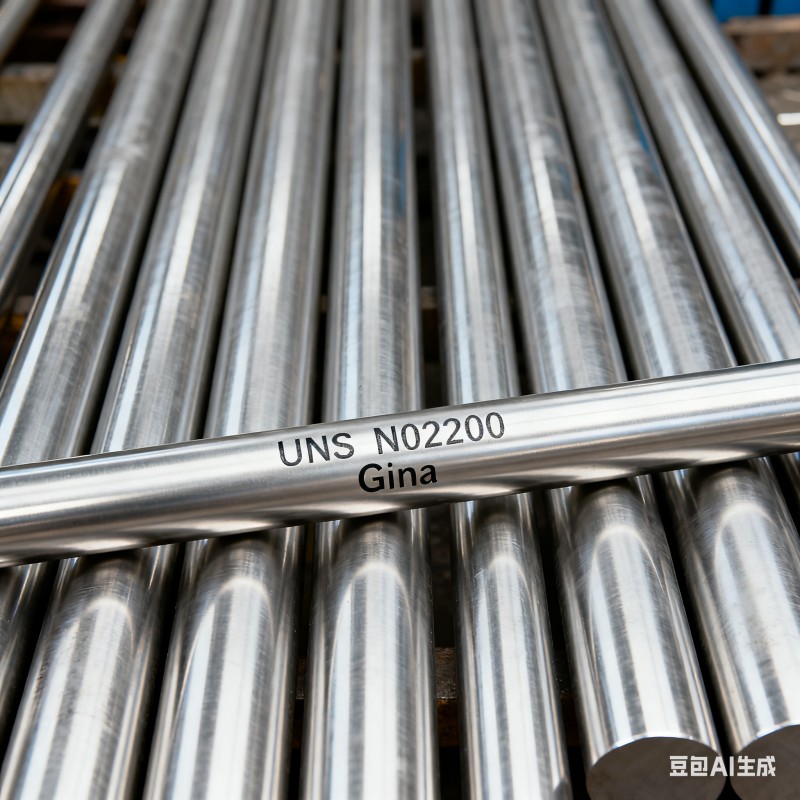
- Bar/Wire: Diameter 6mm-100mm (Bar, ASTM B164), Diameter 0.8mm-10mm (Wire, ASTM B165);
- Forgings: Free forging/die forgings, maximum single weight up to 5 tons, complex shapes can be customized (compliant with ASTM B564 standard);
- Pipe/Fittings: Outer diameter 10mm-219mm, Wall thickness 1mm-10mm (ASTM B165), suitable for high-pressure piping systems.
IV. Typical Application Scenarios
Based on the comprehensive advantages of "high strength + high corrosion resistance + wide temperature range," it achieves large-scale application in high-end industrial fields:
- Petrochemical/Oil and Gas Extraction: Oil well drill pipes, downhole tools, sulfur-containing media transportation pipelines, high-pressure pump shafts, valve cores, adaptable to harsh geological environments containing hydrogen sulfide and chloride ions;
- Marine Engineering: Ship propeller shafts, offshore platform fasteners, core components of seawater desalination equipment, underwater robot structural components, resistant to long-term seawater immersion and erosion;
- Aerospace: Cryogenic fuel storage tank components, engine turbine blades, high-strength fasteners for aircraft landing gear, meeting the requirements for low-temperature non-magnetic and high-temperature mechanical properties;
- Other Fields: Non-magnetic structural components for precision electronic equipment, paper scraper blades in the papermaking industry, cooling system components in the nuclear industry, medical devices (corrosion resistant and non-magnetic), etc.