I. Chemical Composition Analysis
The chemical composition of N06600 is designed with nickel (Ni) as the main component, supplemented by chromium (Cr) and iron (Fe) to form a stable austenitic structure. The specific composition is as follows (mass percentage):
Nickel (Ni): 72.0%–80.0% (provides corrosion resistance and high-temperature stability)
Chromium (Cr): 14.0%–17.0% (enhances oxidation resistance and resistance to acidic media corrosion)
Iron (Fe): 6.0%–10.0% (reduces cost and optimizes processing performance)
Carbon (C): ≤0.15% (Controls grain boundary carbide precipitation)
Manganese (Mn): ≤1.0% (Deoxidizer, improves hot workability)
Silicon (Si): ≤0.5% (Improves high-temperature oxidation resistance)
Sulfur (S): ≤0.015% (Reduces hot brittleness)
Copper (Cu): ≤0.5% (Residual element)
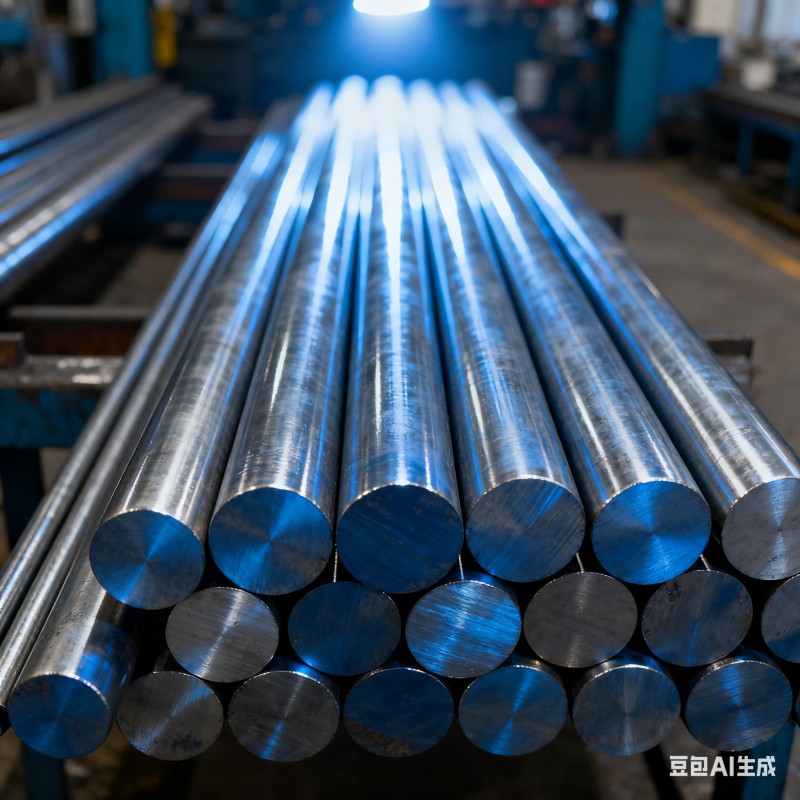
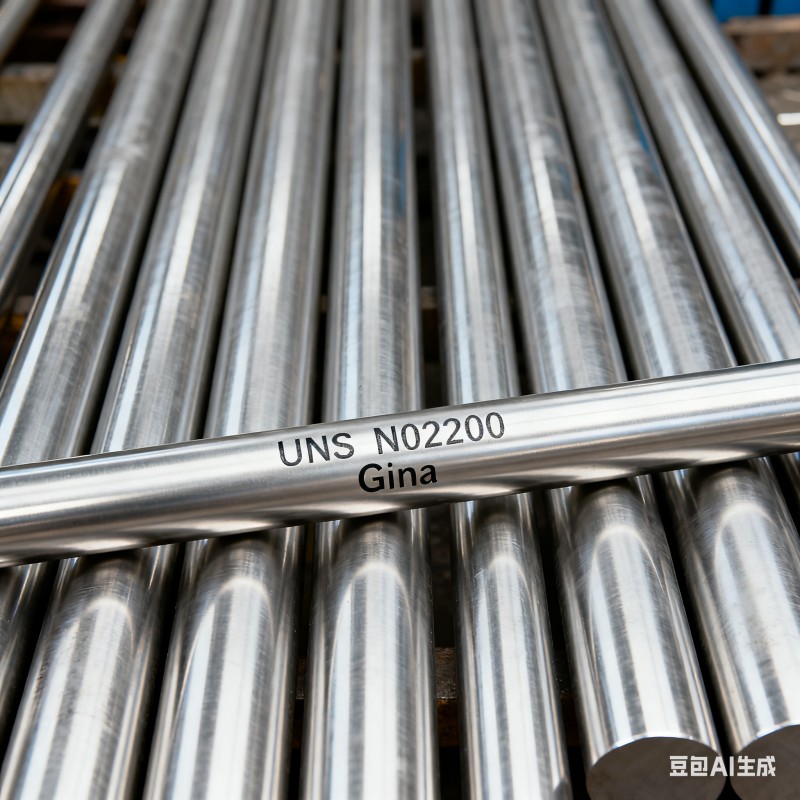
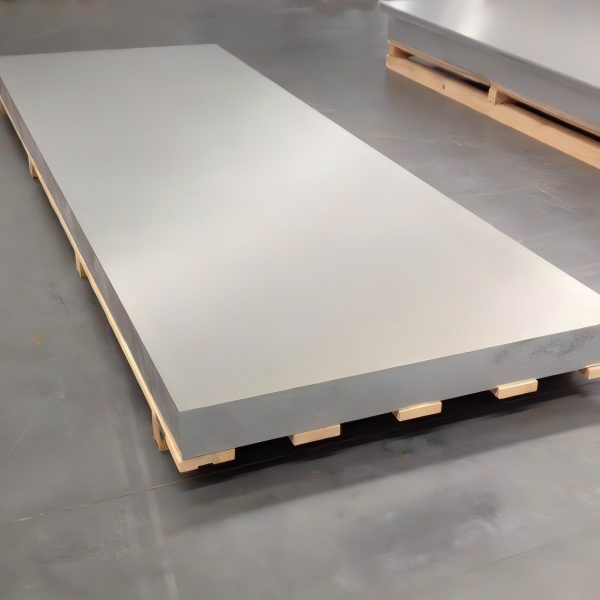
II. Supply Forms N06600 can be manufactured into various industrial products through multiple processes to meet diverse needs: Wire (diameter 0.1mm~10mm): Used for welding filler materials, resistance wires, springs, etc. Forgings: Formed by hot forging, suitable for high-strength components such as turbine discs and high-pressure valves. Plate/Strip (thickness 0.5mm~50mm): Used for manufacturing reactor linings, heat exchanger plates, etc. Round Bar (diameter 10mm~500mm): Produced by rolling or extrusion processes, used for structural components such as shafts and bolts. Processing Characteristics: N06600 exhibits good cold/hot working properties, but its deformation resistance is high at high temperatures, requiring high-power equipment.
III. Heat Treatment Process
Heat treatment is a crucial step in optimizing the performance of N06600. Common processes include:
Solution Treatment Temperature: 1050℃~1150℃ Holding Time: 0.5~2 hours (adjusted according to thickness) Cooling Method: Water cooling or rapid air cooling Purpose: To dissolve carbides, homogenize the microstructure, and improve corrosion resistance.
Stress Relief Annealing Temperature: 870℃~925℃ Holding Time: 1~4 hours Cooling Method: Air cooling
Application Scenarios: To eliminate residual stress after cold working or welding and prevent cracking. Precautions: Avoid prolonged exposure at 540℃~870℃ to prevent carbide precipitation along grain boundaries, leading to embrittlement.
IV. Material Advantages:
Corrosion Resistance: Resistant to chloride stress corrosion cracking (SCC), suitable for marine environments.
Resistant to strong acids (nitric acid, phosphoric acid) and alkaline media, making it the preferred material for chemical equipment.
Excellent high-temperature performance with excellent oxidation resistance below 1093℃, suitable for combustion chambers and heating elements.
Able to be machined and welded using TIG and MIG welding, requiring no post-weld heat treatment.
Good cold-forming properties, allowing for the machining of complex-shaped parts.
Overall cost-effectiveness: Compared to Hastelloy (such as C276), it offers lower cost and more balanced performance.
V. Application Areas:
Aerospace engine combustion chamber liners, turbine sealing rings. Energy and nuclear industry nuclear reactor control rod ducts, steam generator heat transfer tubes. Chemical equipment pickling equipment, distillation towers, heat exchangers. Electronic industry vacuum furnace components, semiconductor manufacturing equipment.