
Products

Featured products

Elastic Alloy 3J1

  • Elastic Alloy 3J1
  • video
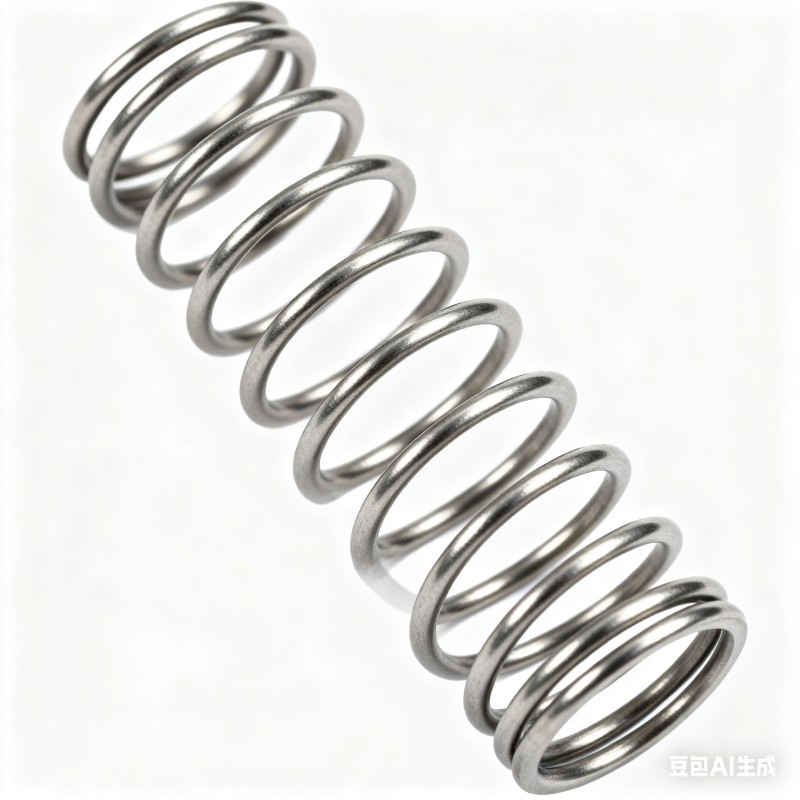
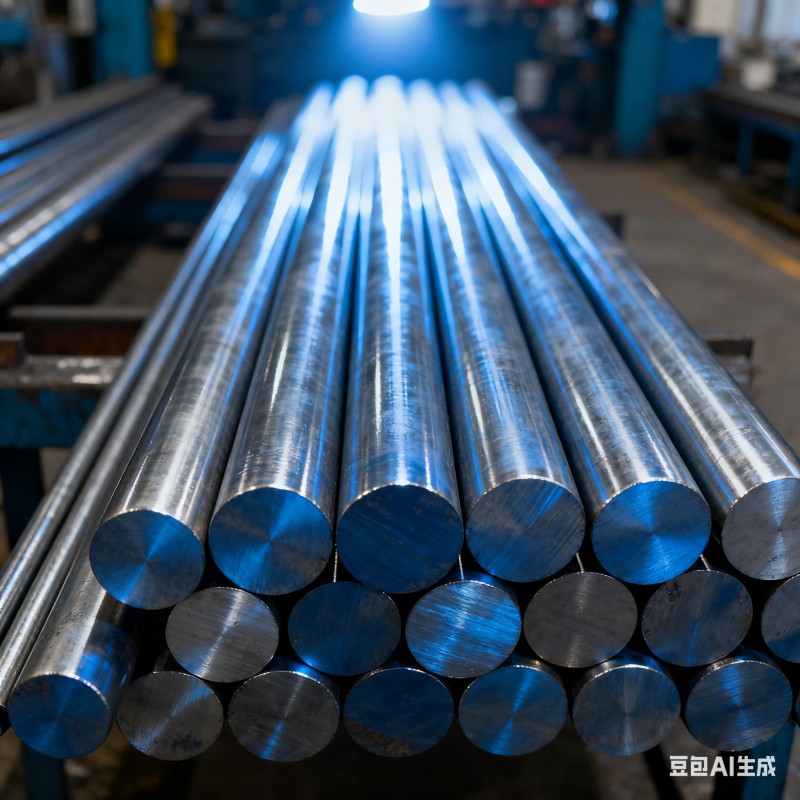
    Precipitation-hardening austenitic alloys, after solution treatment, exhibit good plasticity, low hardness, and are easily processed and formed; After solution treatment or cold deformation followed by aging treatment, they achieve high elastic properties; They can operate under high temperatures, high stresses, or in corrosive environments; They can operate in environments below 200℃. Specifications: φ20-120*L or square bar Product uses: Can be used to manufacture various diaphragms, bellows, springs, and other elastic components in instruments.

    1. Melting Method: Vacuum Induction + Gas-Shielded Electroslag Remelting

    2. Technical Standards: YB/T5256-2011, GB/T37797-2019

    3. Chemical Composition of 3J1 Alloy (wt/%)

    CSiMnPSCrNiTiAlFe
    ≤0.050.081.000.020.0211.5-1334.5-36.52.70-3.201.00-1.80

    4. 3J1 Mechanical Properties

    Product shapeDelivery statusThickness or diameter/mmRm/MPaA/%
    Bringcold rolling0.20-2.5013725
    Greatcold drawing3.0-18.013725
    Round and flat materialsHot rolling, hot forging6.0-25.0117610
    >25.0-60.0103014
    >6080014

    5.3 Key Characteristics of J1 Alloy

    • High elasticity: Able to withstand significant deformation without fracturing and fully recover to its original shape after unloading.

    • High strength: Possesses high tensile strength and yield strength, allowing it to withstand high loads.

    • Corrosion resistance: Similar to stainless steel, it exhibits good corrosion resistance to the atmosphere, water, and various chemical media.

    • Non-magnetic: In the annealed state and after specific treatments, it does not exhibit magnetism in weak magnetic fields.

    • High fatigue strength: Not prone to fatigue cracks under alternating stress, resulting in a long service life.

    • Good thermal stability: Its elastic properties change very little within a certain temperature range (e.g., -40°C to +100°C).

    6. Applications of 3J1 Alloy

    Diaphragms and capsules: Used in pressure and vacuum sensors and controllers. When pressure changes, the diaphragm undergoes elastic deformation, driving a pointer or electrical signal output.

    Bellows: Used for sealing, isolation, compensation, or pressure sensing, widely used in valves, sealing devices, and temperature and pressure controllers.

    Bourdon tubes: The core component of mechanical pressure gauges, indicating pressure through the bending deformation of the tube.

    Suspension wires: Used in high-precision electrical meters (such as galvanometers and accelerometers) to support the moving coil and generate a restoring torque.

    Springs: Especially springs requiring non-magnetic properties, high precision, and long service life, such as load-bearing springs in precision machinery and springs in aircraft engine control systems.

    Fasteners: Used for fasteners with special environmental requirements (such as non-magnetic and corrosion-resistant).

    Bearing components: Used as elastic support elements in bearings for certain special applications.


      Get the latest price? We will reply as soon as possible (within 12 hours)